How to Choose the Best Cat Grooming Brush for Healthy Fur

How to Choose the Best Cat Grooming Brush for Healthy Fur

Does your cat struggle with tangles, shedding, or dull fur? You’re not alone. Many cat owners face the same issue, especially with indoor cats or long-haired breeds.

Using the right cat grooming brush can make a huge difference. It keeps your cat’s coat smooth, reduces shedding, and improves overall health.

In this guide, you’ll learn how to choose the best brush for your cat, what features matter most, and which cat grooming accessories UK pet owners rely on. By the end, you’ll feel confident picking the right tools for a shiny, tangle-free coat.


Why Grooming Your Cat Matters More Than You Think

Health Benefits Beyond Appearance

Grooming is not just about looks. It plays a key role in your cat’s health. Regular brushing helps:

  • Remove loose hair and dirt
  • Prevent painful mats and tangles
  • Reduce hairballs
  • Improve blood circulation

A clean coat also means healthier skin underneath.

“Consistent grooming helps detect skin issues early and keeps cats comfortable year-round.”

Reducing Shedding at Home

Tired of cat hair on your sofa and clothes? A good cat grooming brush UK  solution can reduce shedding significantly.

By removing loose fur before it falls, you keep your home cleaner with less effort.

Strengthening Your Bond

Grooming can be a calming experience for your cat. It builds trust and strengthens your relationship.

Start slow, and your cat may even begin to enjoy it.


Types of Cat Grooming Brushes Explained

Slicker Brushes

These brushes have fine, short wires. They are great for removing tangles and loose fur.

Best for:

  • Medium to long-haired cats

Bristle Brushes

Bristle brushes are softer and gentle on the coat. They help distribute natural oils.

Best for:

  • Short-haired cats

Deshedding Tools

These tools go deeper into the coat. They remove loose undercoat hair effectively.

Best for:

  • Heavy shedders

Multi-Function Brushes

The best cat grooming brush often combines multiple features. Some include cleaning functions or easy hair removal systems.


Brush Type Ideal For Key Benefit
Slicker Long hair Removes tangles
Bristle Short hair Adds shine
Deshedding Thick coats Reduces shedding
Multi-function All types All-in-one grooming


How to Choose the Best Cat Grooming Brush

Consider Your Cat’s Coat Type

Every cat is different. Choosing the wrong brush can cause discomfort.

  • Short hair → Soft bristle brush
  • Long hair → Slicker or detangling brush
  • Thick coat → Deshedding tool

Look for Comfort and Safety

Your cat’s comfort should come first. Choose brushes with:

  • Rounded tips
  • Soft bristles
  • Ergonomic handles

Ease of Cleaning

No one likes dealing with stuck fur. Look for brushes with:

  • Self-cleaning buttons
  • Easy hair release systems

Durability Matters

Invest in a high-quality brush. It will last longer and perform better.


Essential Cat Grooming Accessories UK Pet Owners Use

Must-Have Grooming Tools

A brush is just the start. Complete your routine with these cat grooming accessories:

  • Grooming wipes for quick cleaning
  • Nail clippers
  • Detangling sprays
  • Grooming gloves

Why Accessories Make a Difference

Using the right tools together improves results. For example:

  • Wipes help clean after brushing
  • Sprays reduce tangles
  • Gloves make grooming easier for nervous cats

Building a Simple Grooming Kit

You don’t need dozens of tools. Start with:

  • One high-quality brush
  • A pack of wipes
  • Nail clippers

This basic kit covers most grooming needs.

How to Groom Your Cat the Right Way

Step-by-Step Routine

Follow this simple process:

  1. Choose a calm time
  2. Let your cat relax
  3. Start brushing gently
  4. Focus on problem areas
  5. Reward your cat afterward

How Often Should You Groom?

Coat Type Frequency
Short hair 1–2 times per week
Medium hair 2–3 times per week
Long hair Daily brushing

Common Mistakes to Avoid

  • Brushing too hard
  • Skipping regular grooming
  • Using the wrong brush type

Consistency is key for a healthy coat.

Real-Life Example: From Tangles to Shine

Emma, a UK cat owner, struggled with her long-haired cat’s tangled fur. Brushing felt like a battle every time.

After switching to a slicker brush and adding proper cat grooming accessories UK tools, things changed quickly.

  • Fewer tangles
  • Less shedding
  • A calmer grooming routine

Within weeks, her cat’s coat became soft and shiny.

Signs You’re Using the Wrong Brush

Watch for These Clues

Your brush may not be right if:

  • Your cat resists grooming
  • Fur still looks dull
  • Tangles keep coming back
  • Shedding doesn’t improve

When to Upgrade

If you notice these issues, it’s time to try a better cat grooming brush.

A small upgrade can make a big difference.

Final Thoughts: A Small Tool, A Big Impact

Choosing the right cat grooming brush is one of the easiest ways to improve your cat’s health and comfort. It reduces shedding, prevents tangles, and keeps your cat looking its best.

The key is to match the brush to your cat’s coat type and use it regularly. Pair it with the right cat grooming accessories, and grooming becomes quick and stress-free.

So, is your current brush doing the job? If not, now is the perfect time to upgrade and give your cat the care it deserves.

The Ultimate Guide to Pet Grooming Brush Wipes for Clean Pets

The Ultimate Guide to Pet Grooming Brush Wipes for Clean Pets


Ever brushed your pet only to end up covered in loose fur and dirt? You’re not alone. Grooming can quickly turn messy, especially with shedding dogs or long-haired cats.

This is where pet grooming brush wipes come in. They combine brushing and cleaning in one simple step, saving time and effort.

In this guide, you’ll learn how these tools work, why they’re useful, and how to choose the best one for your pet. We’ll also share tips, real-life examples, and practical advice to help you keep your pet clean and healthy every day.


What Are Pet Grooming Brush Wipes?

A Simple Yet Smart Grooming Tool

Pet grooming brush wipes are a modern grooming solution. They combine a brush with disposable wipes that trap dirt, fur, and dander.

Unlike traditional brushes, they don’t just remove loose hair. They also clean your pet’s coat at the same time.

How They Work

The process is simple:

  • Attach a wipe to the brush
  • Gently brush your pet
  • The wipe collects dirt and hair
  • Dispose of the wipe after use

This makes grooming faster and more hygienic.

Why Pet Owners Love Them

Many pet owners prefer these tools because they:

  • Reduce mess during grooming
  • Save time
  • Are easy to use
  • Keep pets fresher for longer

Think of it as a quick clean-up without needing a full bath.

Benefits of Using Pet Grooming Brush Wipes

  1. Keeps Your Pet Clean Daily

Regular grooming helps remove dirt, allergens, and loose fur. Using wipes makes this process even more effective.

It’s perfect for in-between baths, especially for active pets.

  1. Reduces Shedding Around the Home

Loose fur is a common problem. A pet grooming brush for dogs  with wipes traps hair before it spreads across your home.

This means less vacuuming and cleaner furniture.

  1. Gentle on Skin and Coat

Most wipes are designed to be soft and pet-friendly. They help maintain coat health without causing irritation.

“Regular grooming isn’t just about looks—it supports skin health and reduces stress for pets.”

  1. Saves Time and Effort

Bathing your pet every time they get dirty isn’t practical.

With grooming wipes, you can quickly clean paws, fur, and even minor dirt spots in minutes.


Choosing the Best Multi Function Pet Brush

What to Look For

Not all brushes are the same. When choosing the best multi function pet brush, consider:

  • Ease of use – Simple design and quick wipe replacement
  • Comfort grip – Makes grooming easier
  • Durability – Long-lasting materials
  • Compatibility – Works with replacement wipes for pet brush

Types of Brushes Available

Type Best For Features
Standard wipe brush Daily grooming Simple and effective
Self-cleaning brush Heavy shedders Removes fur easily
Multi-function brush All pets Combines grooming + cleaning


Pro Tip

If your pet sheds heavily, choose a brush that securely holds wipes. This prevents slipping during grooming.


Understanding Replacement Wipes for Pet Brush

Why Replacement Wipes Matter

The wipes are just as important as the brush itself. Good-quality dog brush replacement wipes ensure effective cleaning.

Key Features to Look For

Choose wipes that are:

  • Soft and non-irritating
  • Strong enough to trap fur
  • Slightly moist for better cleaning
  • Safe for pets (no harsh chemicals)

How Often Should You Replace Them?

Replace wipes after each grooming session.

For heavy shedding pets, you may need multiple wipes per session.

Cost vs Value

Buying in bulk often saves money. Plus, it ensures you never run out when you need them.


How to Use Pet Grooming Brush Wipes Effectively

Step-by-Step Guide

Follow these simple steps:

  1. Attach a fresh wipe to the brush
  2. Start brushing gently from head to tail
  3. Focus on high-shedding areas
  4. Replace the wipe when full
  5. Dispose of used wipes properly

Tips for Better Results

  • Brush in the direction of hair growth
  • Be gentle around sensitive areas
  • Reward your pet after grooming

Common Mistakes to Avoid

  • Using dry or low-quality wipes
  • Brushing too aggressively
  • Skipping regular grooming sessions

Consistency is key for best results.


Real-Life Example: A Cleaner Home, Happier Pet

Sarah, a dog owner, struggled with shedding. Her couch was always covered in fur.

After switching to the best pet grooming brush  with wipes, she noticed a big difference.

  • Less fur on furniture
  • Cleaner floors
  • A happier, more comfortable dog

She now spends just 5 minutes a day grooming instead of deep cleaning her home every week.


Are Pet Grooming Brush Wipes Right for You?

Ideal For:

  • Busy pet owners
  • Pets that dislike baths
  • Homes with shedding issues
  • Quick daily grooming routines

Not a Replacement for Full Grooming

While effective, wipes don’t replace:

  • Full baths
  • Professional grooming
  • Deep coat treatments

They are best used as a supplement, not a complete solution.


Final Thoughts: Keep Grooming Simple and Stress-Free

Pet grooming doesn’t have to be messy or time-consuming. With pet grooming brush wipes , you can keep your pet clean, reduce shedding, and maintain a healthier coat—all with minimal effort.

The key is choosing the right brush, using quality wipes, and staying consistent.

So, why not make grooming easier for both you and your pet? A small change in your routine can lead to a cleaner home and a happier companion.

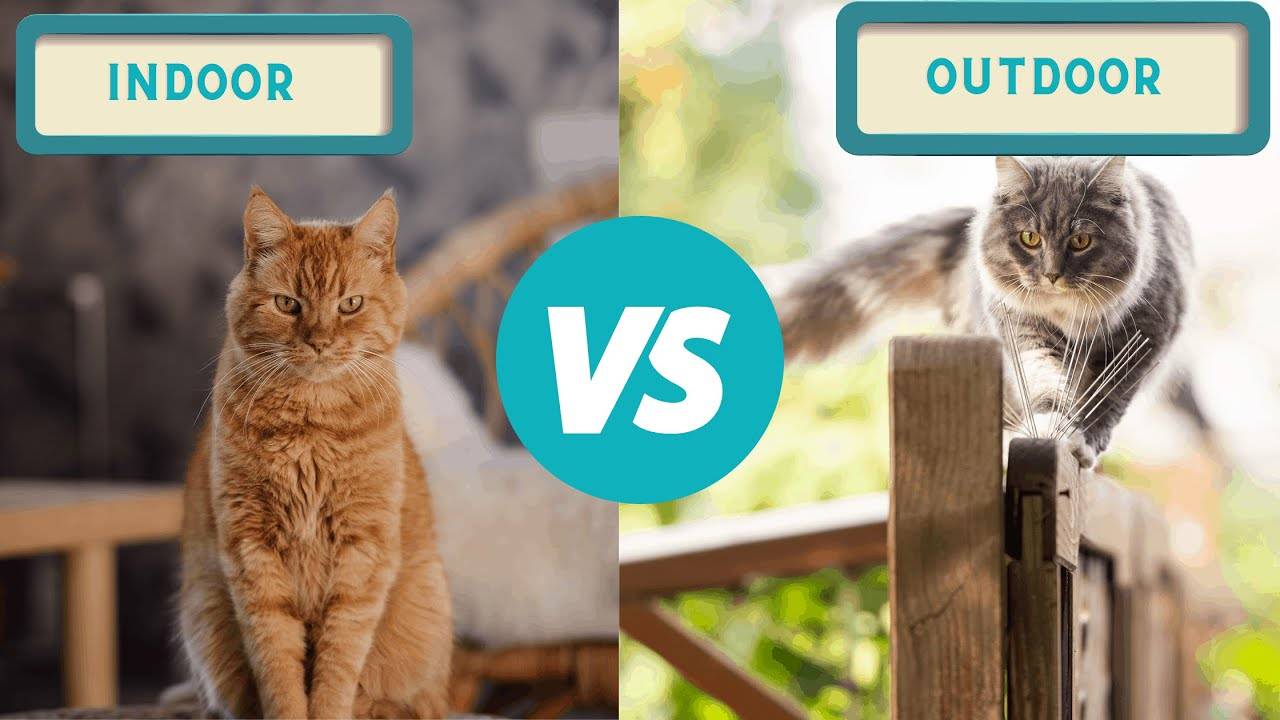
Indoor vs Outdoor Cats: Making the Right Choice for Your Feline Friend

The Great Escape: A Night-time Adventure

One evening, I was seeing a friend out of my front door after a pleasant visit. What should have been a simple goodbye turned into quite the experience for our cat – and a sleepless night for us.

Unbeknown to both my friend and me, our usually indoor cat had managed to sneak out of the front door without either of us noticing. We chatted for a few minutes on the doorstep before my friend left, completely oblivious to our feline escape artist. We went to bed shortly after, thinking it had been just another normal evening.

Around 5am, I woke to what I thought was a cat crying. I looked around the bedroom for our cat, who normally joined us in bed later in the evening, but he wasn’t there. Something didn’t feel right. I then decided to check the security camera that monitors our back garden, and there he was – sat forlornly at the back door, crying pitifully to come in.

Of course, I ran downstairs immediately, feeling absolutely terrible but also completely confused about how this could have happened. How had he gotten from the front of the house to the back garden?

Further investigation, reviewing the various cameras around our property, revealed the full story. He had indeed escaped through the front door and had spent the entire night exploring and trying to find his way back inside. The most remarkable thing was that he’d never been outside the front of our house before, and there was no direct access from the front to our back garden without travelling down four houses along the street, around a corner, and through a back alley.

Yet somehow, there he was in our garden. It was a testament to just how clever cats can be – whilst simultaneously being silly enough to get themselves locked out in the first place!

This incident made us seriously reconsider our approach to keeping our cat indoors and sparked extensive research into the pros and cons of indoor versus outdoor lifestyles for cats.


The decision of whether to keep your cat indoors or allow them outdoor access is one of the most significant choices cat owners face. This comprehensive guide explores the benefits and challenges of both lifestyles, helping you make an informed decision that’s right for your feline companion.

Understanding Indoor Cats: The Protected Lifestyle

What Defines an Indoor Cat?

Indoor cats spend their entire lives within the confines of their home, never venturing outside unsupervised. This lifestyle has become increasingly popular in the UK, particularly in urban areas where outdoor dangers are more prevalent.

The Benefits of Indoor Living

Safety and Security

Protection from traffic represents the most significant advantage:

Road traffic accidents are the leading cause of death for outdoor cats

  • Urban environments pose particular risks with busy roads and heavy traffic
  • Night-time dangers are eliminated when cats remain safely indoors
  • Reduced risk of injury from various outdoor hazards:

Fights with other cats leading to wounds and infections

  • Encounters with wildlife that could prove dangerous
  • Exposure to toxic substances like antifreeze or pesticides
  • Getting trapped in sheds, garages, or other confined spaces

Health Advantages

Disease prevention is significantly enhanced:

  • Feline Immunodeficiency Virus (FIV) transmission through bite wounds
  • Feline Leukaemia Virus (FeLV) spread through close contact
  • Parasites like fleas, ticks, and worms are less likely
  • Upper respiratory infections from exposure to infected cats

Veterinary cost savings often result:

Fewer emergency visits for injuries and accidents

  • Reduced parasite treatments and preventive medications
  • Lower risk of serious diseases requiring extensive treatment

Longevity and Lifespan

Indoor cats typically live longer:

Average lifespan of 13-17 years compared to 2-5 years for outdoor cats

  • Reduced exposure to life-threatening situations
  • Better monitoring of health changes and early intervention
  • Consistent nutrition and healthcare routine

Challenges of Indoor Living

Behavioural Considerations

Potential behavioural issues may develop:

Boredom and depression from lack of stimulation

  • Inappropriate scratching of furniture and furnishings
  • Obesity from reduced activity levels
  • Territorial spraying in multi-cat households

Environmental Enrichment Needs

Indoor cats require enhanced stimulation:

Interactive toys to simulate hunting behaviour

  • Climbing structures like cat trees and shelving
  • Window perches for outdoor observation
  • Regular play sessions to maintain physical fitness

Space Requirements

Adequate space becomes crucial:

Multiple levels for climbing and exploration

  • Separate areas for eating, sleeping, and toileting
  • Quiet spaces for retreat and relaxation
  • Environmental rotation to maintain interest
  • Understanding Outdoor Cats: The Natural Lifestyle

What Defines an Outdoor Cat?

Outdoor cats have unrestricted or supervised access to the outdoors, allowing them to express natural behaviours and explore their environment. This can range from cats with garden access to those who roam freely in rural areas.

The Benefits of Outdoor Living

Natural Behaviour Expression

Hunting instincts can be fully expressed:

  • Stalking and catching prey satisfies natural drives
  • Territory exploration fulfils curiosity and mapping instincts
  • Scent marking and territorial behaviour in natural settings
  • Climbing trees and navigating varied terrain

Physical Exercise and Mental Stimulation

Natural exercise opportunities:

Running and climbing maintain muscle tone and cardiovascular health

  • Mental challenges from navigating changing environments
  • Sensory stimulation from varied sights, sounds, and smells
  • Social interactions with other cats and wildlife

Psychological Benefits

Mental health advantages:

Reduced stress from expressing natural behaviours

  • Environmental enrichment from varied experiences
  • Independence and confidence building
  • Seasonal awareness and natural circadian rhythms

Risks and Challenges of Outdoor Living

Safety Concerns

Traffic-related dangers:

Road accidents remain the primary cause of outdoor cat deaths

  • Injury severity often requiring extensive veterinary treatment
  • Night-time visibility issues increasing accident risk

Predator threats:

Dogs posing risks, particularly to smaller cats

  • Wildlife encounters with foxes or birds of prey
  • Human-related dangers from poisoning or cruelty

Health Risks

Disease transmission:

Viral infections like FIV and FeLV through cat fights

  • Parasites including fleas, ticks, worms, and mites
  • Bacterial infections from wounds and environmental exposure
  • Exposure to toxins like antifreeze, rat poison, and garden chemicals

Environmental hazards:

Getting lost or unable to return home

  • Weather extremes causing hypothermia or heatstroke
  • Seasonal dangers like fireworks or garden machinery

Semi-Outdoor Solutions: Finding Middle Ground

Supervised Outdoor Access

Harness training allows controlled outdoor experiences:

Gradual introduction to wearing a harness indoors

  • Supervised walks in gardens or safe areas
  • Portable enclosures for outdoor relaxation
  • Regular schedule building positive associations

Enclosed Outdoor Spaces

Cat-proofed gardens provide secure outdoor access:

High fencing with inward-curving tops

  • Cat-proof barriers preventing escapes
  • Secure gates and entrance monitoring
  • Garden design incorporating cat-friendly features

Catios and Outdoor Enclosures

Purpose-built structures offer outdoor experiences safely:

  • Multi-level catios attached to homes
  • Freestanding enclosures in gardens
  • Tunnel systems connecting indoor and outdoor spaces
  • Weather protection and comfortable furnishing

Factors to Consider When Making Your Decision

Your Cat’s Personality

Individual temperament should guide decisions:

  • Confident, adventurous cats may thrive outdoors
  • Anxious or timid cats often prefer indoor security
  • Previous experience with outdoor access
  • Age and physical condition affecting outdoor safety
  • Environmental Considerations

Your living situation influences suitability:

Urban vs rural locations present different risk levels

  • Garden access and security options
  • Local traffic volume and road safety
  • Neighbourhood cat population and territory conflicts
  • Lifestyle Factors

Your daily routine affects management:

Work schedule and time available for supervision

  • Travel frequency and care arrangements
  • Family composition including children and other pets
  • Financial considerations for safety measures and healthcare

Making Indoor Living Successful

Essential Environmental Enrichment

Vertical space utilisation:

Cat trees and climbing structures

  • Wall-mounted shelves and perches
  • Tall scratching posts for stretching and claw maintenance

Mental stimulation activities:

Puzzle feeders making mealtime challenging

  • Interactive toys responding to cat behaviour
  • Rotating toy selection maintaining novelty
  • Hide and seek games encouraging exploration

Creating Outdoor Views

Window access for environmental stimulation:

Bird feeders positioned for cat viewing

  • Multiple viewing stations throughout the home
  • Comfortable perches at window level
  • Screen doors allowing fresh air and sounds

Exercise and Play Requirements

Daily activity needs:

Scheduled play sessions using interactive toys

  • Laser pointers for running and chasing (always end with catchable toy)
  • Feather wands and fishing rod toys
  • Catnip and silvervine for sensory enrichment
  • Making Outdoor Living Safer

Identification and Monitoring

Tracking systems for outdoor cats:

Microchipping for permanent identification

  • GPS collars for location monitoring
  • Reflective collars improving night visibility
  • Regular check-ins and feeding schedules

Health Protection Measures

Preventive healthcare:

Up-to-date vaccinations against common diseases

  • Regular parasite prevention treatments
  • Frequent health monitoring and veterinary check-ups
  • Spaying or neutering reducing roaming and fighting

Garden and Environment Modifications

Creating safer outdoor spaces:

Removing toxic plants and chemicals from gardens

  • Securing potential hiding spots like sheds and garages
  • Cat-friendly landscaping with safe plants and materials
  • Fresh water sources available outdoors
  • The Indoor-Outdoor Transition

Moving from Outdoor to Indoor

Gradual transition strategies:

Reducing outdoor time progressively

  • Increasing indoor enrichment before full transition
  • Managing behavioural changes during adjustment
  • Patience and consistency throughout the process
  • Moving from Indoor to Outdoor

Careful introduction methods:

Health checks and vaccinations before outdoor access

  • Supervised initial outings in secure areas
  • Gradual territory expansion as confidence builds
  • Emergency recall training for safety
  • Special Considerations for Different Life Stages

Kittens and Young Cats

Early life considerations:

Vaccination schedules before outdoor access

  • Socialisation periods and environmental exposure
  • Safety awareness development through supervised experience
  • Establishing routines and boundaries early
  • Senior Cats

Age-related factors:

Mobility limitations affecting outdoor safety

  • Sensory changes impacting navigation and awareness
  • Health conditions requiring closer monitoring
  • Comfort preferences often favouring familiar indoor environments

Cats with Health Conditions

Medical considerations:

FIV-positive cats requiring indoor lifestyles

  • Chronic conditions needing environmental control
  • Mobility issues affecting outdoor safety
  • Medication schedules requiring reliable access

Multi-Cat Household Dynamics

Indoor Multi-Cat Management

Space and resource requirements:

Multiple feeding stations preventing competition

  • Adequate litter boxes (one per cat plus one extra)
  • Separate territory areas reducing conflicts
  • Vertical space allowing cats to avoid each other

Outdoor Territory Sharing

Managing multiple outdoor cats:

Territory establishment and boundary respect

  • Feeding schedule coordination preventing conflicts
  • Health monitoring for all cats in the group
  • Individual personality management
  • The Role of Breed in Indoor vs Outdoor Decisions

Breeds Suited to Indoor Living

Naturally less active breeds:

Persian cats with their calm temperaments

  • Ragdoll cats often content with indoor life
  • British Shorthairs adapting well to home environments

Breeds with High Outdoor Drive

Active breeds often benefiting from outdoor access:

Bengal cats with high energy and hunting instincts

  • Maine Coon cats enjoying exploration and climbing
  • Norwegian Forest cats naturally adapted to outdoor life

Cost Considerations

Indoor Cat Expenses

Setup and ongoing costs:

Environmental enrichment equipment and toys

  • Higher-quality food to prevent obesity
  • Regular veterinary care and preventive treatments
  • Potential behavioural consultation if issues arise
  • Outdoor Cat Expenses

Safety and health investments:

GPS tracking collars and identification systems

  • Increased veterinary costs from injuries and diseases
  • Garden modifications for safety improvements
  • Higher insurance premiums reflecting increased risks
  • Making Your Decision: A Personal Choice

Assessing Your Situation

Key questions to consider:

What is your cat’s personality and current experience?

  • What are the specific risks in your local environment?
  • What time and resources can you dedicate to safety measures?
  • What are your personal preferences and lifestyle constraints?

Consulting Professionals

Expert guidance sources:

Veterinary advice tailored to your cat’s health

  • Animal behaviorist consultation for complex situations
  • Local rescue centre experience with indoor/outdoor decisions
  • Other cat owners in your community and situation

Trial Periods and Flexibility

Gradual approach benefits:

Testing supervised outdoor access before permanent decisions

  • Monitoring your cat’s response to different arrangements
  • Adjusting based on seasonal changes and life circumstances
  • Remaining flexible as your cat ages and needs change

Conclusion: There’s No One-Size-Fits-All Solution

The choice between indoor and outdoor living for your cat is deeply personal and depends on numerous factors unique to your situation. Both lifestyles can provide happy, healthy lives for cats when properly managed and implemented.

Indoor cats can live full, enriched lives with proper environmental stimulation, regular exercise, and dedicated human interaction. The safety benefits and increased lifespan often make this choice appealing to many cat owners, particularly in urban environments.

Outdoor cats experience the freedom to express natural behaviours and enjoy environmental variety, but require careful management to minimise risks. Rural settings and experienced cat owners may find this lifestyle more suitable.

Semi-outdoor solutions often provide the best of both worlds, allowing cats to experience nature whilst maintaining safety and security. Catios, supervised outdoor time, and secure garden access can satisfy natural instincts whilst protecting from major dangers.

Whatever choice you make, remember that it’s not necessarily permanent. Cats can adapt to lifestyle changes with patience and proper management. The most important factors are your cat’s individual needs, your living situation, and your ability to provide appropriate care and enrichment.

As we learned from our own cat’s great escape adventure, even indoor cats retain their natural instincts and intelligence. Whether they use these abilities to navigate neighbourhood streets or simply to find the cosiest spot in your home, cats continue to amaze us with their adaptability and resilience.

The key is making an informed decision based on your specific circumstances and remaining committed to providing the best possible care, whether that’s creating an enriching indoor environment or ensuring outdoor safety measures. Your cat’s happiness and wellbeing should always be the primary consideration in whatever lifestyle choice you make.


This article provides general guidance on indoor versus outdoor cat lifestyles. Always consult with your veterinarian for advice specific to your cat’s individual health, temperament, and circumstances.

Cat Rescue Centre Overcrowding Crisis: Understanding the Challenge and How You Can Help

Finding Our Perfect Companion: A Journey to Rescue

When we decided we wanted a cat, the question was simple: where do we start looking for the perfect companion? Initially, our thoughts turned to breeders and pedigree cats – surely that would be the best way to get exactly what we were looking for, right?

However, as we began our search, it quickly became apparent that we didn’t actually know what we were looking for in a cat. We had vague ideas about temperament and appearance, but nothing concrete. That’s when someone suggested we visit a local rescue centre, “just to get a feel for different types of cats.”

Walking into that rescue centre was an eye-opening experience. The staff were incredibly welcoming and showed us several cats of varying ages and personalities. There was a mad orange tabby who seemed to absolutely adore male humans whilst being decidedly less keen on females. Then there was a big, dominant cat who clearly ruled his pen, bullying the other cats unfortunate enough to share his space.

But then, in that same pen with the territorial bully, we noticed a timid little tabby. He had the most unusual appearance – short legs and what could only be described as a rat-like tail. He was definitely the underdog in that enclosure, keeping his distance from the larger cat.

When we entered the pen, something magical happened. This strange little fellow came towards us, carefully staying clear of the bully, but showing genuine interest in meeting us. There was something about him – a little strange, undoubtedly timid, but he absolutely touched our hearts in that moment.

That was it. He was the one.

The rescue staff warned us that he might take some time to settle in, and they were right. For about a month, he was cautious and reserved. But gradually, his true personality began to emerge, and what a personality it was! He turned out to be the most amazing cat with the funniest traits we could have imagined. From his legendary theft of an entire Greggs sausage roll from the kitchen counter to his bizarre habit of sitting contentedly on top of the vacuum cleaner whilst it was running, he never ceased to amaze us.

That visit opened our eyes to something we hadn’t expected to see – the sheer number of cats in the rescue centre, all waiting for homes. Pen after pen held beautiful animals, each with their own story, all hoping for their second chance at happiness. The dedicated staff were clearly working tirelessly, but they were also clearly overwhelmed by the numbers.

This experience made us realise that we’d stumbled upon something much bigger than just finding our perfect pet – we’d witnessed firsthand the overcrowding crisis facing cat rescue centres across the UK. What we discovered through our research into this issue was both heartbreaking and eye-opening, but also revealed numerous ways that individuals and communities can make a genuine difference.

The UK Cat Rescue Overcrowding Crisis: A Growing Problem

Cat rescue centres across the United Kingdom are facing an unprecedented overcrowding crisis. With limited space, resources, and funding, these vital organisations are struggling to cope with the increasing number of cats needing help whilst maintaining high standards of care.

Recent statistics paint a concerning picture: many UK rescue centres are operating at 150–200% capacity, with waiting lists stretching months ahead. This crisis affects not only the cats awaiting homes but also the dedicated staff and volunteers working tirelessly to provide care.

Understanding the Scale of the Problem

Current Statistics on UK Cat Rescue Overcrowding

  • Over 150,000 cats enter UK rescue centres annually
  • Average stay duration has increased from 28 to 45 days over the past five years
  • 60% of rescue centres report being over capacity regularly
  • 1 in 4 cats remain in rescue centres for over three months
  • Kitten season (April to October) sees capacity increase by up to 300%

Geographic Variations

Urban areas face particular challenges:

  • Higher population density leading to more strays
  • Limited space for expansion
  • Higher operational costs

Rural rescue centres encounter different issues:

  • Covering larger geographical areas
  • Transport challenges for adoptions
  • Limited local support networks

Root Causes of Cat Rescue Centre Overcrowding

Uncontrolled Cat Population Growth

  • A single unneutered female cat can produce up to 20,000 descendants in five years
  • Feral cat colonies continue to grow unchecked in many areas
  • Economic barriers prevent some owners from accessing neutering services

Abandonment and Surrender Issues

  • Rising cost of veterinary care
  • Housing instability affecting pet ownership
  • COVID-19 aftermath as “pandemic pets” are surrendered

Behavioural Challenges

  • Inadequate socialisation during kitten development
  • Multi-cat household conflicts
  • Litter box issues and territorial marking

Reduced Adoption Rates

  • Increased competition from online pet sales
  • Housing rental restrictions limiting pet ownership
  • Economic uncertainty making people hesitant to adopt
  • Preference for kittens over adult cats

The Impact of Overcrowding on Cat Welfare

Physical Health Consequences

  • Stress-related illnesses become more common (respiratory infections, digestive issues)
  • Infectious diseases like cat flu, ringworm, and parasites spread more easily
  • Testing and treatment for FIV and FeLV become critical

Psychological Impact

  • Increased anxiety and depression
  • Socialisation problems with humans and other cats
  • Development of stereotypical behaviours
  • Regression in toilet training and social skills

Reduced Individual Attention

  • Less time for socialisation and enrichment
  • Delayed medical attention for non-emergency issues
  • Reduced adoption preparation and behavioural assessment

Impact on Rescue Centre Operations

Financial Strain

  • Higher food and litter expenses
  • Escalating veterinary bills from stress-related illnesses
  • Additional staffing requirements
  • Infrastructure strain requiring repairs and upgrades

Staff and Volunteer Burnout

  • Compassion fatigue from constant exposure to suffering
  • Physical exhaustion from increased workloads
  • Difficult euthanasia decisions when space runs out
  • High turnover rates affecting continuity of care

Quality of Care Challenges

  • Reduced cleaning frequency affecting hygiene
  • Less time for behavioural assessment and rehabilitation
  • Delays in veterinary treatment for non-urgent cases
  • Compromised enrichment programmes

Specific Challenges for Different Types of Cats

Kittens and Young Cats

  • Seasonal influx from April to October
  • Hand-rearing requirements for very young kittens
  • Critical socialisation window often missed

Senior Cats

  • Longer stay durations due to adoption preferences
  • Higher medical costs for age-related conditions
  • Special dietary requirements

Cats with Special Needs

  • FIV-positive and disabled cats require additional resources
  • Separate housing requirements
  • Extended stays due to limited suitable homes

Feral and Semi-Feral Cats

  • Trap-Neuter-Return programmes requiring coordination
  • Longer rehabilitation periods
  • Specialised handling requirements
  • Limited adoption prospects requiring lifetime care

How Cat Rescue Centres Are Responding

Innovative Housing Solutions

  • Vertical housing systems to increase capacity
  • Modular units for flexible space management
  • Expansion of foster networks

Collaborative Approaches

  • Transport networks moving cats to lower-capacity areas
  • Shared resource programmes for veterinary care
  • Joint fundraising efforts

Technology Integration

  • Online adoption platforms reaching wider audiences
  • Digital health records streamlining care
  • Volunteer management systems

Prevention Strategies

  • Free and low-cost neutering for low-income households
  • Feral colony management programmes
  • Educational campaigns about pet overpopulation

How You Can Help Reduce Rescue Centre Overcrowding

Direct Support

  • Regular monthly donations
  • Sponsor specific cats awaiting homes
  • Volunteer time for cleaning, socialisation, admin
  • Donate supplies like food, blankets, toys

Promoting Responsible Pet Ownership

  • Share information about neutering importance
  • Promote adoption over purchasing
  • Discuss microchipping benefits

Adoption and Fostering

  • Adopt from rescue centres rather than buying
  • Foster cats to free up space
  • Adopt senior cats or those with special needs

Advocacy and Awareness

  • Share adoption appeals on social media
  • Write to local councillors about animal welfare issues
  • Support pet-friendly housing initiatives

Looking Forward: Solutions and Hope

Emerging Trends

  • Increased public awareness of pet overpopulation
  • Growing support for adoption over purchasing
  • Technological innovations improving efficiency

The Path to Sustainable Solutions

  • Prevention-focused approaches addressing root causes
  • Community-based solutions reducing reliance on rescues
  • Policy changes supporting animal welfare

How Small Actions Create Big Changes

  • Every donation directly supports cat welfare
  • Each adoption creates space for another cat
  • Every person educated about neutering prevents overpopulation

Conclusion: Every Cat Deserves a Chance

The cat rescue centre overcrowding crisis facing the UK is complex and multifaceted, but it’s not insurmountable. Behind every statistic is a cat like the timid tabby with short legs and a rat-like tail who stole our hearts – all deserving of love, care, and a second chance at happiness.

The solution lies not in any single action, but in the collective efforts of individuals, communities, and organisations working together. Whether through adoption, fostering, volunteering, donating, or simply spreading awareness, everyone can play a part in addressing this crisis.

As we learned from our journey to find the perfect companion, rescue cats bring immeasurable joy and love to families. They deserve quality care whilst waiting for homes, and homes that understand and appreciate their resilience and capacity for love.

The overcrowding crisis is real, but so is the potential for positive change. By working together – supporting rescue centres, choosing adoption, promoting responsible ownership, and advocating for policy changes – we can create a future where every cat has the opportunity for a loving home.

This article aims to raise awareness about cat rescue centre overcrowding and provide practical ways to help. For more information about rescue centres in your area or how to get involved, contact your local animal welfare organisations or visit national charity websites for current opportunities and needs.

FIV in Cats: Everything You Need to Know About Feline Immunodeficiency Virus

A Personal Journey: From Keyboard Interruptions to Life Lessons

When we first developed Stac Pic, it began with a simple problem many cat owners will recognise – our rescue cat constantly laying across the keyboard or wandering directly in front of the screen during important video calls. What started as a minor inconvenience would soon become part of a much more significant journey.

We’d adopted Hermes from a local rescue centre, not knowing much about his background or health history. Like many new cat parents, we were simply excited to welcome this beautiful feline into our home. However, after several weeks of persistent sneezing that wouldn’t clear up despite various treatments, we knew something wasn’t quite right.

That’s when our veterinarian suggested testing for FIV – Feline Immunodeficiency Virus. When the results came back positive, we felt overwhelmed. We’d never heard of FIV before, and the term ‘feline HIV’ sounded terrifying. What did this mean for Hermes? What did it mean for our family?

What followed was an intensive period of research, veterinary consultations, and learning. We discovered that FIV isn’t the death sentence we initially feared, but it does require a different approach to caring for your beloved companion. Hermes taught us about resilience, adaptation, and the incredible spirit that cats possess.

For three precious years, Hermes was part of our family. He may have interrupted our work calls and claimed ownership of our keyboards, but he also brought immeasurable joy, love, and valuable lessons about feline health. When he eventually succumbed to an illness his compromised immune system couldn’t overcome, we were heartbroken but also grateful for every moment we’d shared.

This experience inspired us not only in our product development but also in our desire to help other cat owners navigate the FIV journey. The research we conducted during Hermes’s care forms the foundation of this comprehensive guide, and we hope it provides the understanding, hope, and practical advice that we wished we’d had from the beginning.

What is FIV (Feline Immunodeficiency Virus)?

FIV is a retrovirus that attacks a cat’s immune system, similar to how HIV affects humans. However, it’s crucial to understand that FIV cannot be transmitted from cats to humans or other non-feline animals. The virus specifically targets feline T-helper cells, gradually weakening the cat’s ability to fight off infections and diseases.

First discovered in 1986, FIV belongs to the same family of viruses as human HIV, but they are species-specific. This means your FIV-positive cat poses no health risk to you, your family, or other pets (except other cats).

How Do Cats Contract FIV?

Primary Transmission: Bite wounds are the most common way FIV spreads between cats. The virus is present in infected cats’ saliva, and deep bite wounds provide direct access to the bloodstream.

Other Transmission Routes: Mother to kitten (less common), sexual contact, shared food bowls (very rare).

What DOESN’T Spread FIV: Casual contact, litter trays, grooming, airborne particles, or human contact.

FIV Symptoms: Recognising the Signs

Early Stage: Mild fever, swollen lymph nodes, lethargy, loss of appetite.

Asymptomatic Stage: Cats may appear healthy for years while virus remains dormant.

Progressive Stage: Chronic infections, dental disease, weight loss, respiratory infections, skin conditions, neurological symptoms.

Diagnosing FIV in Cats

Testing Methods: ELISA test (common but may show false positives), Western Blot test (confirmatory), PCR testing (most accurate).

When to Test: Before introducing new cats, after fights, during check-ups for outdoor cats, signs of chronic illness.

FIV Treatment and Management

No cure exists, but supportive care can help cats live happy lives.

Approaches: Regular vet monitoring, prompt infection treatment, high-quality diet, reduced stress, indoor lifestyle.

Medications: Antibiotics, antivirals, immune modulators, pain management.

Alternative Therapies: Nutritional supplements, herbal remedies, acupuncture.

Living with an FIV-Positive Cat

Environment: Indoor lifestyle, reduced stress, enrichment with toys and climbing structures.

Diet: High-quality commercial food, avoid raw diets.

Multi-Cat Households: Test all cats, separate FIV-positive cats if needed, monitor aggression.

FIV Prevention Strategies

Vaccination: Exists but not routinely recommended in the UK due to limited effectiveness.

Practical Methods: Neutering, keeping cats indoors, regular health monitoring.

FIV Prognosis and Life Expectancy

Factors: Age at diagnosis, overall health, lifestyle, presence of other conditions.

Expectation: Many cats live 5-10 years or more with care, some live normal lifespans.

Common Myths About FIV

Myth 1: FIV-positive cats should be euthanised → Reality: They can live fulfilling lives.

Myth 2: FIV cats are always sickly → Reality: Many remain healthy for years.

Myth 3: Humans can catch FIV → Reality: It is species-specific.

Myth 4: FIV cats can’t live with others → Reality: They can live with other FIV-positive cats safely.

When to Consult Your Veterinarian

Seek help for persistent fever, breathing issues, severe weight loss, diarrhoea, neurological signs, or non-healing wounds.

Check-ups every 6–12 months for stable FIV cats.

Supporting FIV Research and Awareness

Support local cat charities, veterinary research, education programmes.

Conclusion: Hope for FIV-Positive Cats

An FIV diagnosis isn’t a death sentence. With care, knowledge, and support, FIV cats can live long, loving lives.

Every cat deserves love and care regardless of status. Consider adopting FIV-positive cats.

This article is for informational purposes only and should not replace professional veterinary advice. Always consult with a qualified veterinarian for diagnosis and treatment recommendations specific to your cat’s needs.

SUBSCRIBE NOW

Copyright © 2025 Stac Pets All Right Reserved.

0
    0
    Your Cart
    Your cart is emptyReturn to Shop